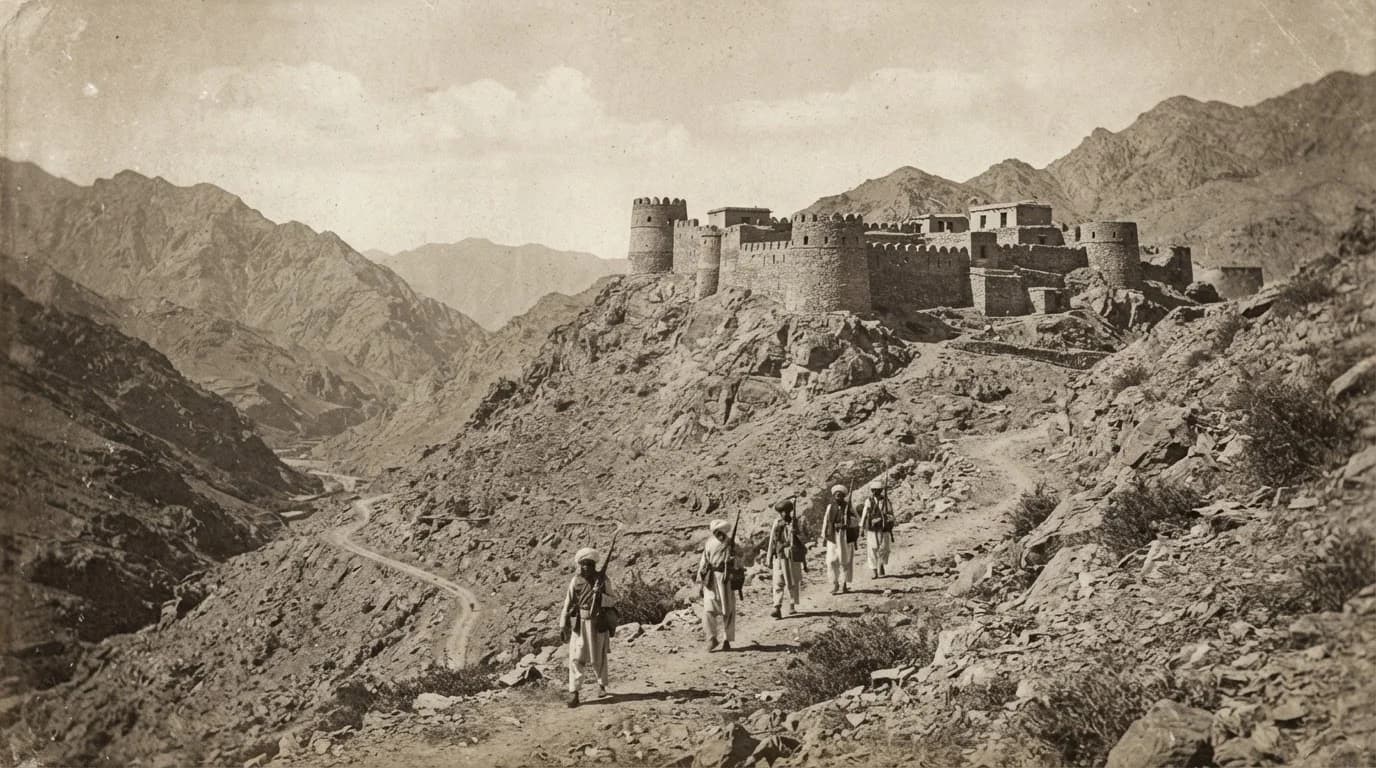
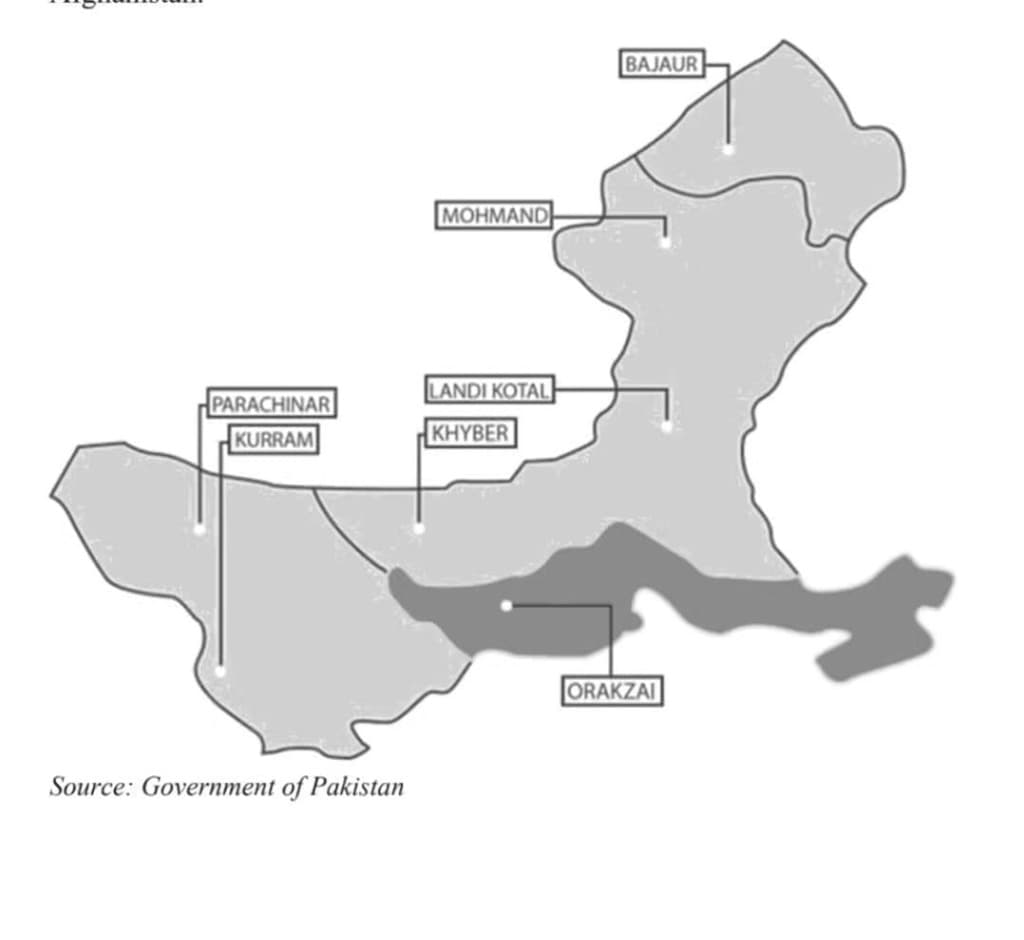
South Waziristan Agency (District)
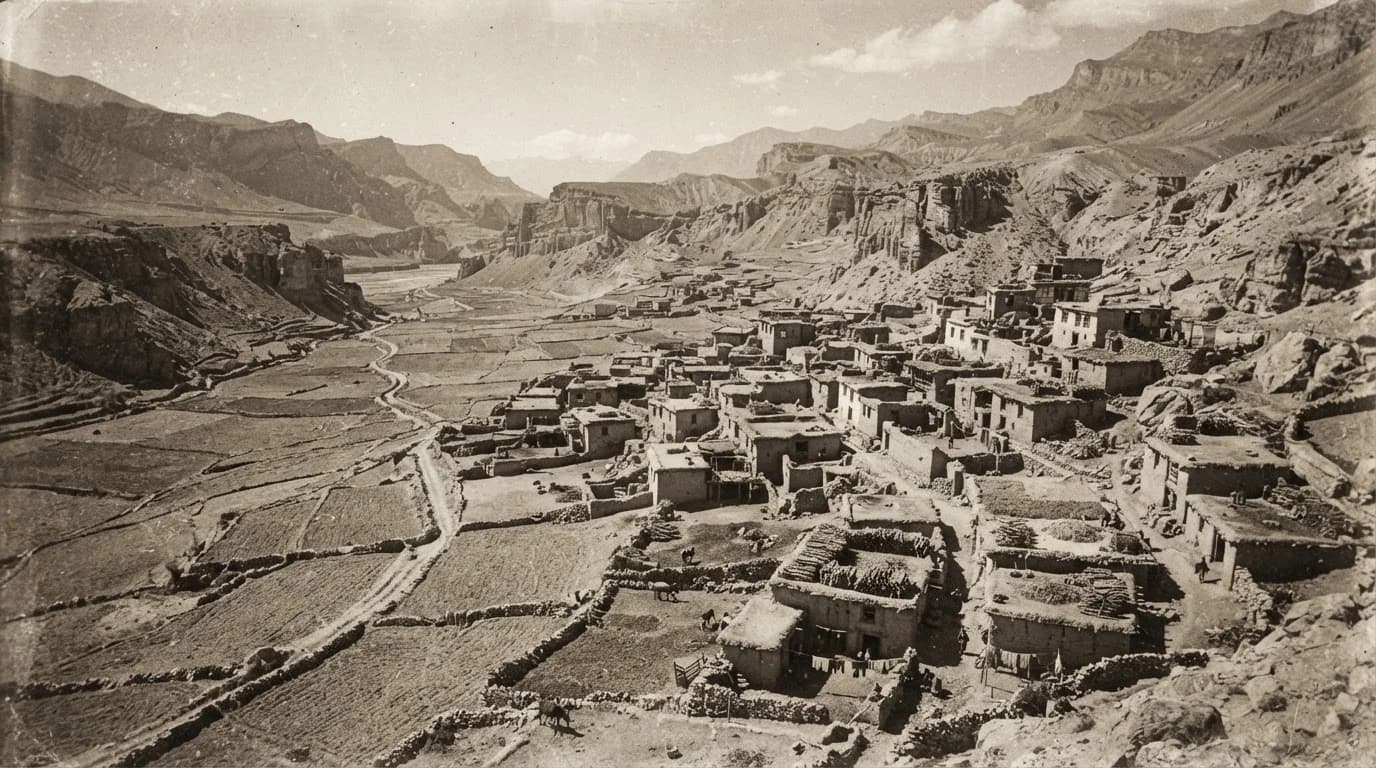
A historical and geographical overview of South Waziristan, its tribes, and its administrative evolution, referencing the book Tribes of Pakistan.
An independent historical archive
تاریخ، ورثہ اور تعلیم کا تحفظ
POHAN collects, preserves and digitises the documented history of the Pashtun belt, beginning with Waziristan. People, places, events, books, documents, photographs and maps are catalogued as one connected record — each with its source, and each with a confidence mark.

Featured story

A historical and geographical overview of South Waziristan, its tribes, and its administrative evolution, referencing the book Tribes of Pakistan.
Explore
Linked collections. Every record cites its source and carries a confidence mark.
Research
Each article closes with a numbered source list: book, author, page, archive, and the original document where it is held here.

Colonial Administration
Between 1894 and 1923 the administration assembled a machinery of allowances, jirgas, fines and roads. Following the paperwork shows what "indirect rule" actually consisted of.

Military History
In the summaries of the late 1930s, air action sits in the same paragraph as road opening and allowance payments. The flatness of the prose is itself the historical evidence.

Methodology & Sources
Every official document was written to justify expenditure, report compliance or settle blame. Reading a frontier file requires knowing what question the officer was answering.

Linguistics & Heritage
Kaniguram in South Waziristan is home to the Ormur community, speakers of a distinct Iranian language whose survival within a Mahsud Pashto area has drawn linguists since the 1880s.
Primary material
Scan, transcription and translation are catalogued together, so a reader can check the wording against the page.
Photo archive
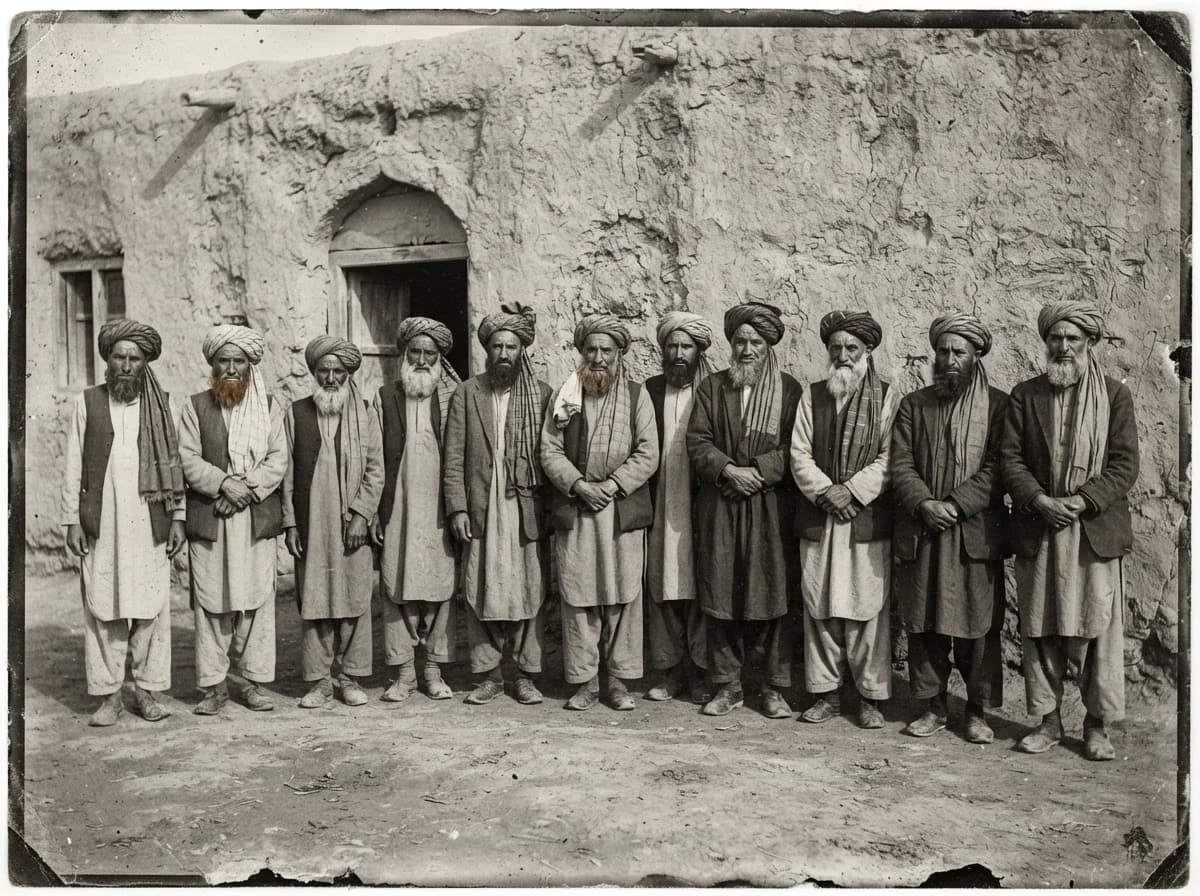
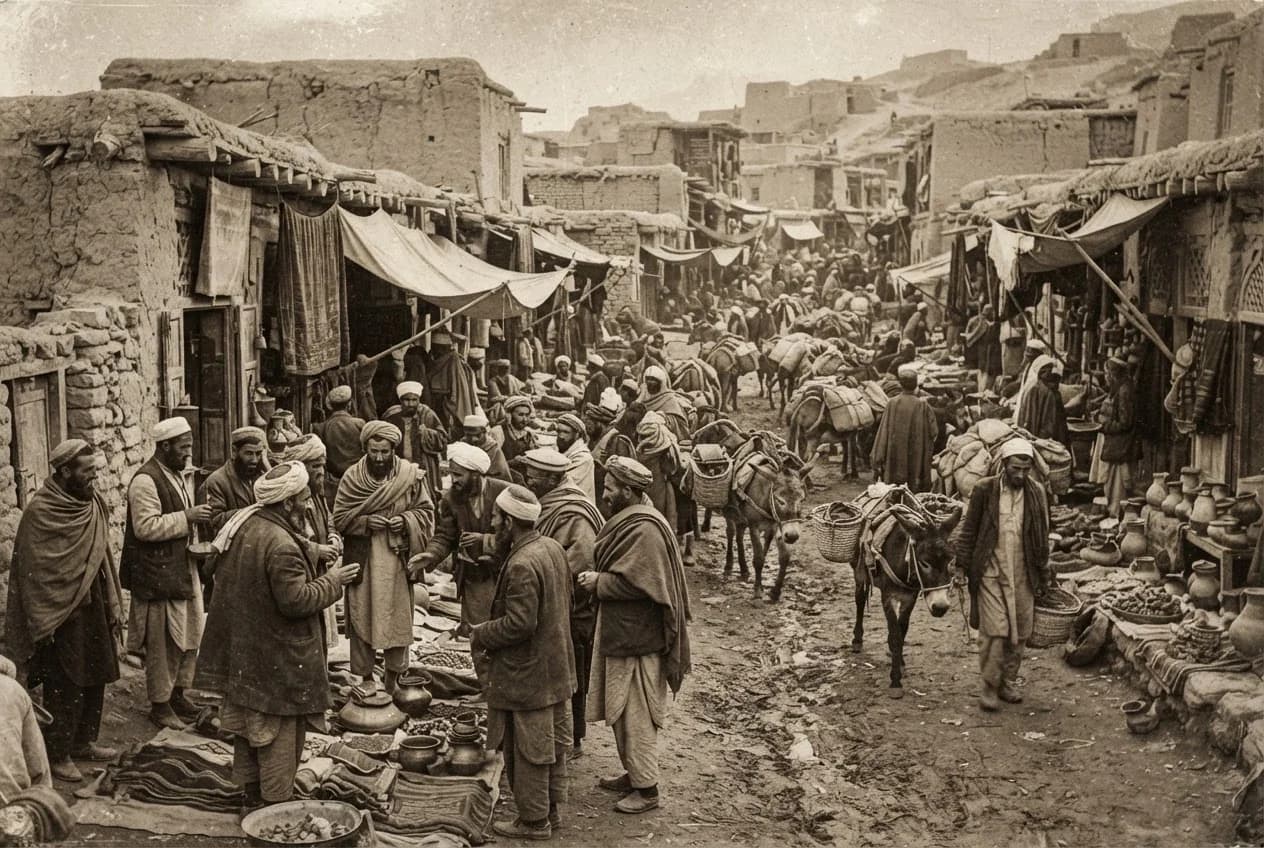
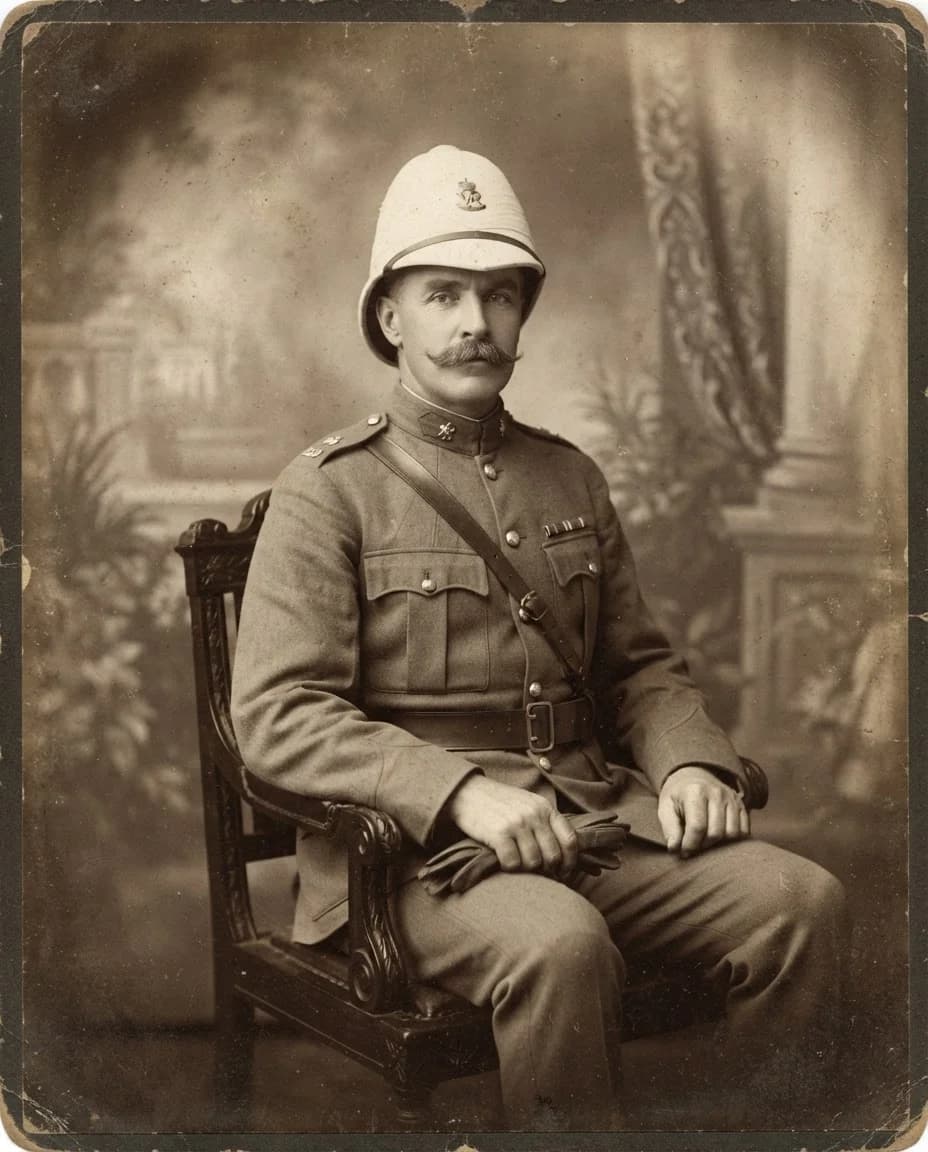
No photograph is published without its source, date and location, and the record says plainly when the photographer is unknown.
Get involved
Old photographs, letters, service papers, land records, memoirs and local tradition all belong in the record. Submitted material is reviewed against existing sources before publication, and nothing is published without a confidence mark.