
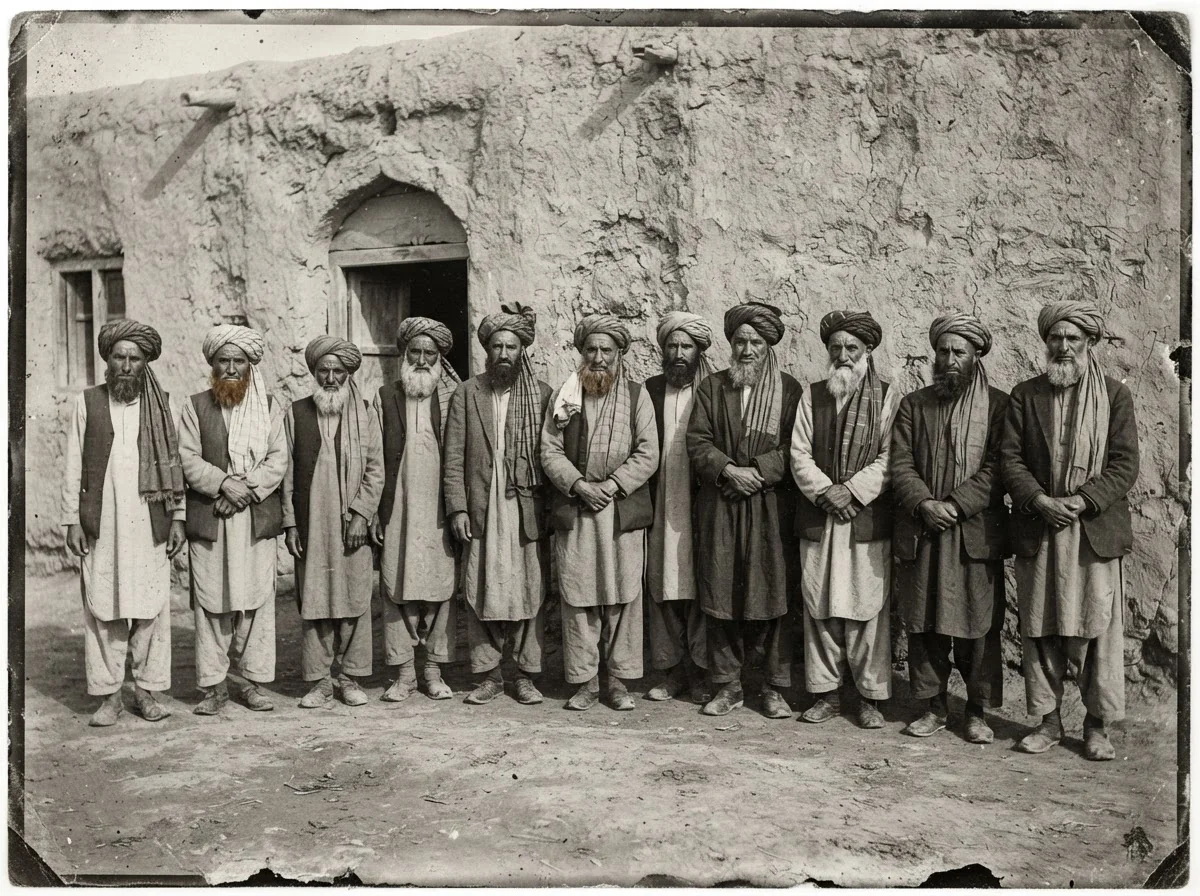
Covering a rugged expanse of over 5,000 square miles in the southern Frontier, Waziristan has long stood as a formidable bastion of independence for the half a million tribesmen of the Wazir and Mahsud nations. Unlike the plains-dwelling tribes whose social fabric was anchored in irrigated agriculture and hierarchical landlordism, the mountain tribesmen operated under an unbending egalitarian ethos.
In a perceptive anthropological distinction, Pakistani scholar-administrator Akbar S. Ahmed categorized the Pashtun tribes into two distinct sociological models: the "Qalang" societies, characterized by stratified social hierarchies, land rents, and taxation; and the "Nang" societies, defined by segmentary egalitarianism, fierce independence, and the supreme primacy of tribal honor over material wealth. For the Wazirs and Mahsuds, nang was everything.
Having nothing to lose and fiercely valuing their autonomy, the Wazirs and Mahsuds resisted every imperial encroachment for over three centuries. The Mughal Emperors in Delhi failed to subjugate their mountain tracts. Even under Maharaja Ranjit Singh in the early nineteenth century, Sikh rule consisted of little more than annual punitive raids, leaving the Punjabi sardars relieved to hand over the turbulent frontier to the British in 1849.
Beyond defending their own borders, the Wazirs and Mahsuds historically fancied themselves as "king-makers." Long accustomed to being courted by the royal court in Kabul, their tribal lashkars provided the Afghans with decisive victories in the Third Anglo-Afghan War of 1919. In 1929, when King Amanullah was ousted by Bacha Saqao, General Nadir Khan summoned the Mahsuds and Wazirs to retake Kabul, re-establishing the Durrani dynasty on the Afghan throne.
In October 1947, during the tumultuous partition of the subcontinent, the tribal lashkars erupted once again, sweeping through the mountain corridors toward Kashmir. Their martial prowess and unyielding defense of tribal sovereignty established Waziristan as one of the most celebrated and unconquered frontier regions in Central and South Asian history.
Sources
- 1.Pathans of the Latter Day — James W. Spain, Chapter 7: Waziristan: Less Dark and Bloody