
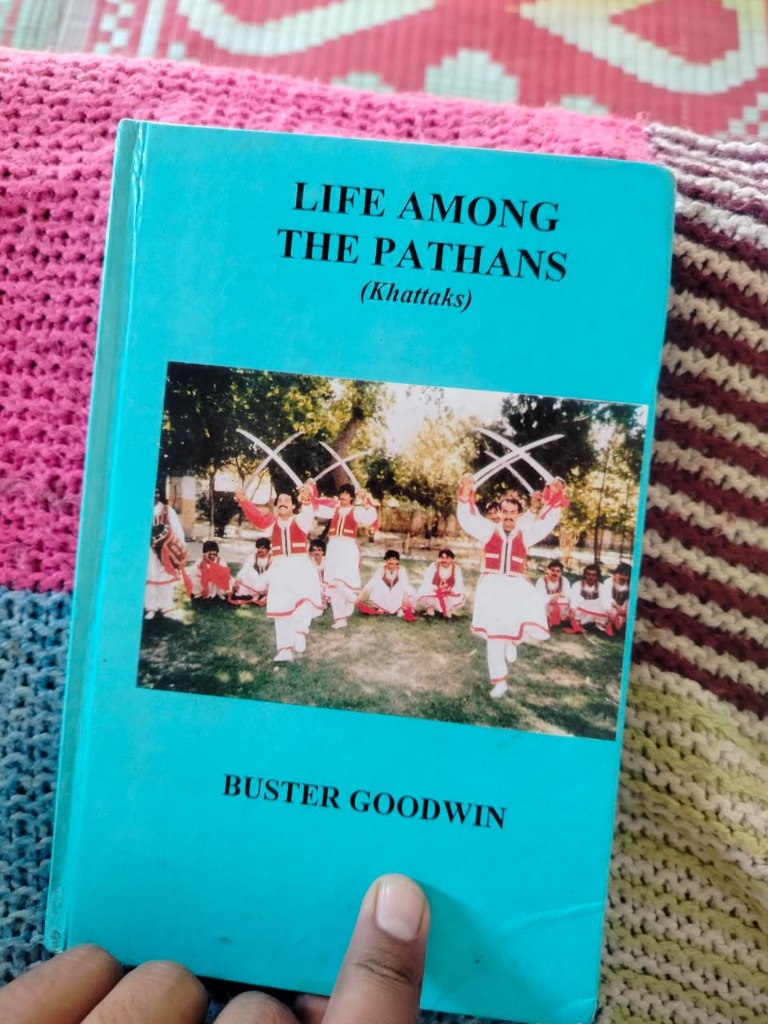
Among the folk ballads of the Khattak tribe, few possess the tragic depth and historical resonance of "Gulbadshah's Song." Recorded by Buster Goodwin in his memoirs, this ballad preserves the poignant memory of two young Pashtun soldiers caught between the unyielding codes of tribal honour, imperial warfare, and supreme friendship during the First World War.
The protagonists, Gulbadshah and Naim Shah, both belonged to the village of Ghurzandi in the Khattak territory. By the ancient tradition of Badla (tribal blood feud), their families had been embroiled in an inherited feud originating generations earlier. Though neither man carried personal animosity toward the other, tribal custom formally classified them as enemies.
Upon the outbreak of World War I in 1914, both young men enlisted in the British Indian Army and, by circumstance, were assigned to the same regiment. Daily contact forged a profound mutual respect. Recognizing their bond, Gulbadshah approached Naim Shah with a pact: "Naim, we are technically enemies, but since I like you and you also like me, let us set aside our feud while in military service and confine it to our ancestral village." Naim Shah solemnly responded with the traditional Pashto oath: "Puh doaro sturgo" (With both my eyes—meaning, with all my heart).
Their friendship deepened into brotherly devotion as their battalion was deployed overseas to the brutal Mesopotamian front to fight Ottoman Turkish forces. During a fierce assault on Turkish trenches, Gulbadshah was critically wounded, suffering catastrophic internal injuries.
Lying in agonizing pain in a field hospital with no hope of recovery, Gulbadshah pleaded with Naim Shah to end his suffering. Naim initially refused in horror, citing his deep love and fearing their home village would misinterpret the mercy act as a cowardly execution of the ancient feud. But Gulbadshah implored him on the sacred bond of their friendship: "I am in unbearable agony and mortally wounded. If you place any value on our friendship, grant my final wish."
Overcome with grief, Naim Shah ended his comrade's torment. However, another sepoy witnessed the act, presumed it was a continuation of the family vendetta, and reported him to military authorities. Arrested and awaiting court-martial in prison, Naim Shah composed the haunting ballad that immortalized their story—recounting their pact, their love, and the terrible price of mercy. The ballad became a legendary piece of frontier oral history.
Sources
- 1.Life Among the Pathans (Khattaks) — Buster Goodwin, Chapter VI