
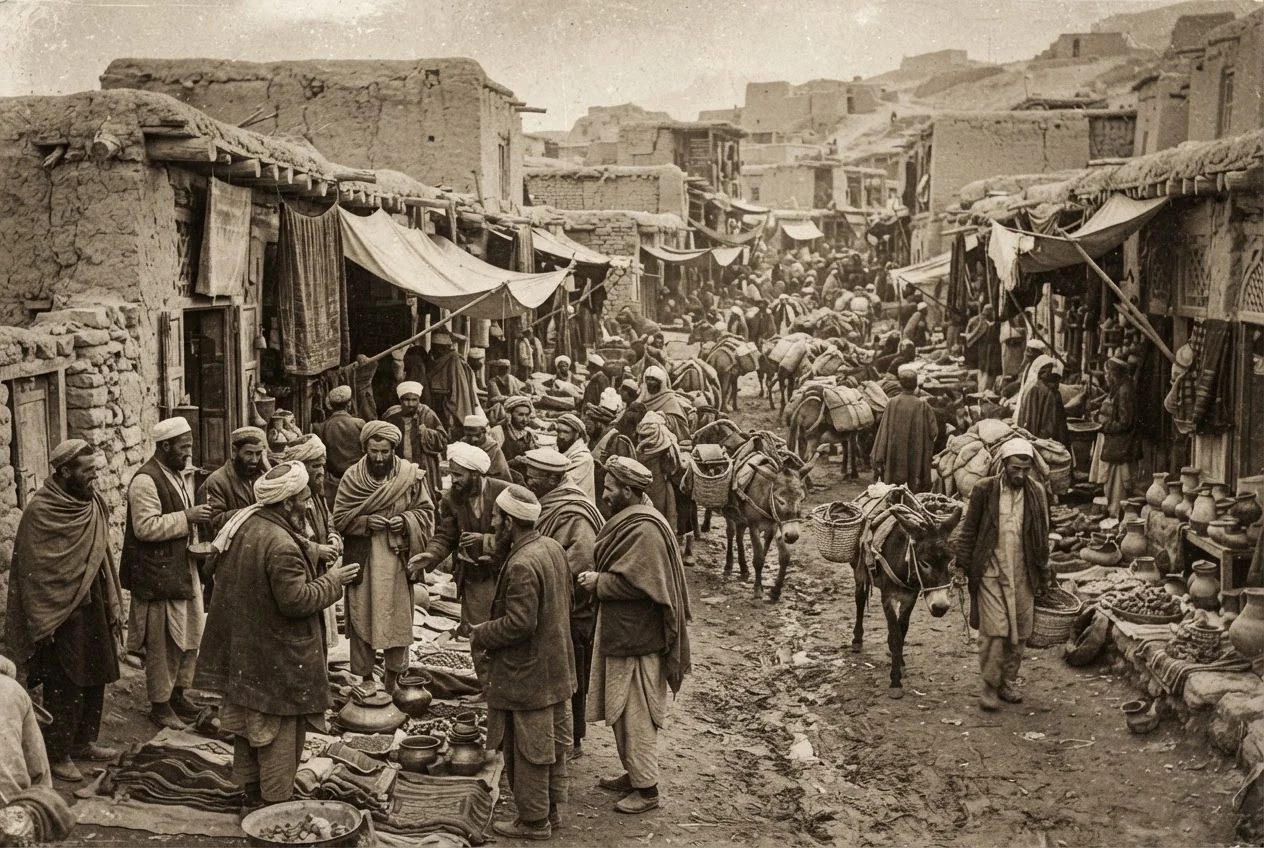
The legal regime of the North-West Frontier was distinct from the rest of British India. Beginning with the Punjab Murderous Outrages Act of 1867 and the Frontier Crimes Regulation of 1872 (amended in 1887 and finalized in Regulation III of 1901), the colonial state codified an extraordinary legal apparatus.
Key provisions included the Council of Elders (jirgas appointed by the Deputy Commissioner to return verdicts on fact), the power to impose collective fines on entire clans or settlements, the prohibition of new hamlets without official sanction, and the detention of suspects without standard criminal trial rights.
Legal scholars and historians examining the POHAN archives can cross-reference the text of the 1901 Regulation against the Political Agent correspondence and fine registers to observe how the law operated in daily practice.
Sources
- 1.The Frontier Crimes Regulation, 1901 (Regulation III of 1901)Legislative Department, Government of India
- 2.Customary Law of the Dera Ismail Khan District — H. St. G. TuckerCivil and Military Gazette Press, Lahore